

Introduction
We have officially entered the seaso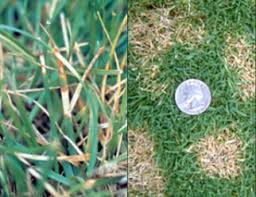 n when fungus starts attacking lawns. While fungus activity can occur at different times throughout the year, our routine is to offer lawn fungicide applications from May through September. These warmer months are when fungus is most likely to actively damage and decay the grass if left untreated.
Fungus can live in the grass blade and spread when weather conditions are warm, humid, or stressful for the lawn. Once active, it may cause discoloration, thinning, and lawn decline. Knowing what to look for and acting at the right time can help protect your lawn during the months when fungus pressure is highest.
Why Lawn Fungicide Applications Matter in Warm Weather
Warm weather creates the perfect window for lawn fungus to become active. Although fungus may be present at different times of the year, the most concerning months are typically May through September because that is when active fungus can decay the grass.
During this time, lawn fungicide applications can help stop active fungus from spreading and provide a protective layer for the grass plant. The treatment helps the discolored areas grow out over time while protecting the lawn for the next few weeks.
We usually apply fungicide in liquid form. However, if the situation warrants it, we are also equipped to perform the treatment using a granular product.
What Causes Lawn Fungus?
The exact cause of lawn fungus is not always easy to determine. It is similar to a child getting sick — sometimes you may never know exactly what caused it, but the issue still needs to be treated.
Some of the most common reasons fungus activity may appear include:
- Too much water
- Too little water
- Heavy traffic on the lawn
- Improper mowing
- Moisture followed by excessive heat
- Foreign objects left on the lawn
- Spills or products accidentally getting onto the grass
- Fungus transferred from lawn to lawn by mowing equipment
- General lawn stress
- Humidity and warm weather
Because there are so many possible causes, the best approach is to watch for symptoms and treat curatively when active fungus is present.
Signs Your Lawn May Need Lawn Fungicide Applications
Lawn fungus can show up in different ways depending on the lawn, the weather, and the severity of the problem. Some common signs include discoloration, brown or yellow patches, thinning grass, or areas that appear to be d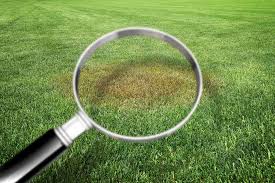 eclining.
If you notice unusual spots or spreading discoloration, you can send us pictures so we can review the lawn and determine whether a fungicide treatment may be needed.
Our technicians are also trained to look for active fungus during regular lawn visits. If fungus is present, they will communicate that to you on the service report. The report will include the severity of the fungus and the price for the recommended treatment.
How Lawn Fungicide Applications Help Protect Your Grass
Effective lawn fungicide applications help stop active fungus and allow the discoloration to grow out of the grass plant. They also provide a layer of protection that lasts for a few weeks.
It is important to understand that fungicide does not instantly turn damaged grass green overnight. The lawn needs time to grow out of the discoloration after treatment. Depending on the severity of the fungus and the weather that follows, a second or even third application may be necessary.
Fungus can continue to spread during hot, humid weather, so follow-up treatment may be recommended if conditions remain favorable for disease activity.
When to Schedule Lawn Fungicide Applications
If your lawn has been diagnosed with fungus between May and the first week of August, we strongly recommend ordering the suggested service. During this part of the season, there is a high probability that more hot days are still ahead, which means fungus may continue to damage the lawn if left untreated.
The later we get into the summer, the more likely we may advise letting the fungus grow out naturally instead. Cooler temperatures are usually on the way later in the season, and depending on the severity of the fungus, the lawn may recover without additional treatment.
Is Lawn Fungus an Emergency?
Lawn fungus should be taken seriously, but it is not always an emergency that must be treated the same day. The deterioration fungus can cause in a lawn usually takes a couple of weeks, so it is not always necessary to rush the treatment immediately.
That said, if fungus is active during peak summer conditions, timely treatment is still recommended. The goal is to stop the fungus before it spreads further and causes additional decline.
We Do Not Treat Without Your Approval
If one of our technicians diagnoses active fungus, they will make a note on your lawn report. The note will include the severity of the issue and the price for the recommended fungicide application.
We do not perform any additional work without your approval. You will always have the opportunity to review and approve the suggested service before treatment is completed.
Protect Your Lawn During Fungus Season
Fungus season can be frustrating for homeowners, especially when brown or discolored patches appear quickly during warm weather. The good news is that lawn fungicide applications can help control active fungus, protect the grass for a few weeks, and give your lawn a better chance to recover.
If you notice discoloration, thinning, or suspicious patches in your lawn, contact us or send pictures of the affected areas. We can review the condition and let you know whether a fungicide application is recommended.
Check out our disease control page for more information https://greensideupsod.com/disease-control/
Contact us today for more information and to order a fungicide treatment https://greensideupsod.com/contact-us/
If interested in learning more about Leaf spot fungus: Rutgers has a fantastic article Spring (and Summer) Leaf Spot Diseases in Lawns and Sports Turf. — Plant & Pest Advisory