


As winter fades and your lawn begins to wake up, early spring can bring a few frustrating surprises. If you’re noticing patchy growth, odd colors, or weds popping up, your not alone. The most common early spring lawn issues in New Jersey include bittercress, chickweed, onion grass, and confusion around when to start mowing.
The good news? These are temporary eyesores – and with the right approach, they’re easy to manage.
Bittercress and Chickweed: The White Flowering Weeds
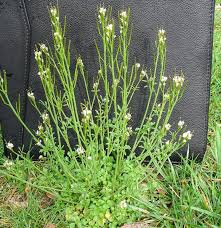 One of the first weeds homeowners notice in early spring is bittercress and chickweed. It grows quickly, often taller than your grass, and produces small white flowers that disrupt the uniform look of your lawn. Bittercress white flowers appear in clusters at the top of a shoot, forming a 4-petal x shape.
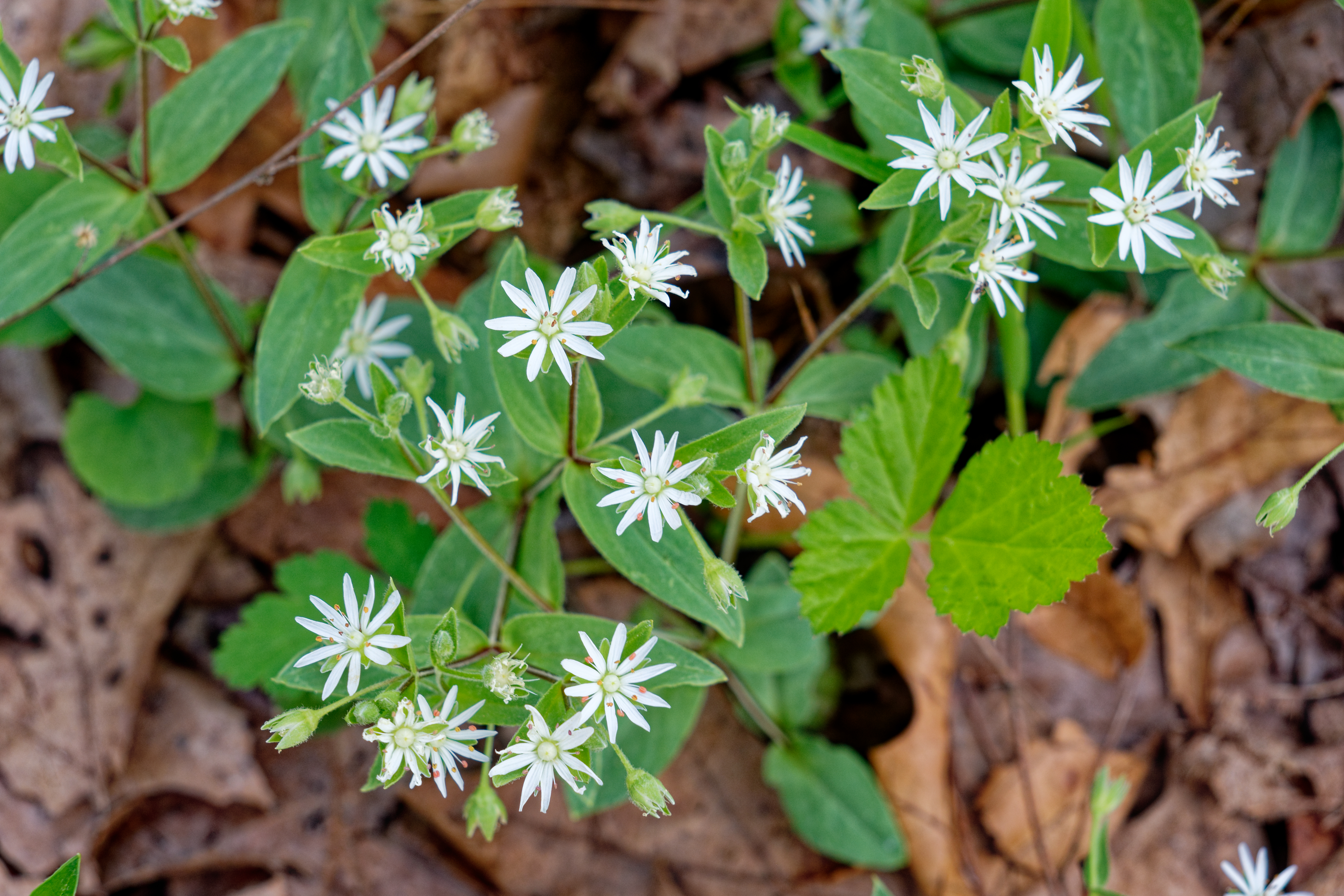 Chickweed white flowers are on the leaf axis and has 5 deeply notched petals that makes them look like 10.The solution is simple: mow it down.
Regular mowing stresses bittercress and will typically kill it off naturally. You may see some new growth until consistent warm weather sets in, but don’t panic—this is normal.
Later in the spring, our blanket weed control applications (typically between mid-April and the end of May) will take care of any remaining issues. We intentionally avoid treating bittercress and chickweed early because it usually dies off with routine mowing. Instead, we focus on more aggressive weeds that emerge in mid-to-late spring and require targeted control.
Onion Grass: Don’t Pull It!
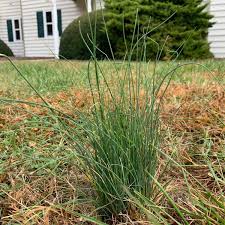 Onion grass is another common early spring nuisance. It grows in clumps and stands out due to its height and distinct texture.
The biggest mistake homeowners make? Pulling it out.
Onion grass grows from underground bulbs. When you pull it, those bulbs can split and spread, making the problem worse over time.
Instead, stick to mowing. Just like bittercress, consistent mowing will weaken and eventually eliminate onion grass. Warmer temperatures will also help naturally suppress its growth.
When Should You Start Mowing?

The short answer: as soon as possible
If your lawn looks uneven, patchy, or has a mix of green, yellow, and brown shades—it’s time to start mowing.
Early mowing helps:
- Control early weeds like bittercress, chickweed and onion grass
- Improve lawn appearance and uniformity
- Promote healthier grass growth
A key rule to follow: never cut more than one-third of the grass blade at a time. Waiting too long between cuts leads to excessive stress on your lawn, which can cause problems later in the summer.
Why Homeowners Delay Mowing (and Why You Shouldn’t)
We often see homeowners put off mowing for a few common reasons:
- Financial constraints – but delaying can lead to bigger, more expensive issues later
- Equipment problems – spring is the perfect time to service your mower while repair shops are less busy
- Lack of time – proper planning can prevent falling behind
- Travel or seasonal absence – consider temporary lawn service
- Simply not knowing when to start – now you know
Starting early sets the tone for the entire season. A proactive approach now will save you time, money, and frustration down the road.
Final Thoughts
Early spring lawn issues may look alarming, but they’re mostly cosmetic and short-lived. With consistent mowing and a smart treatment plan, your lawn will quickly transition from patchy and uneven to thick, green, and healthy.
If you stay ahead of these early-season challenges, you’ll be setting your lawn up for success all year long.
For even more information on springtime weeds in New Jersey, continue reading our other blog post.